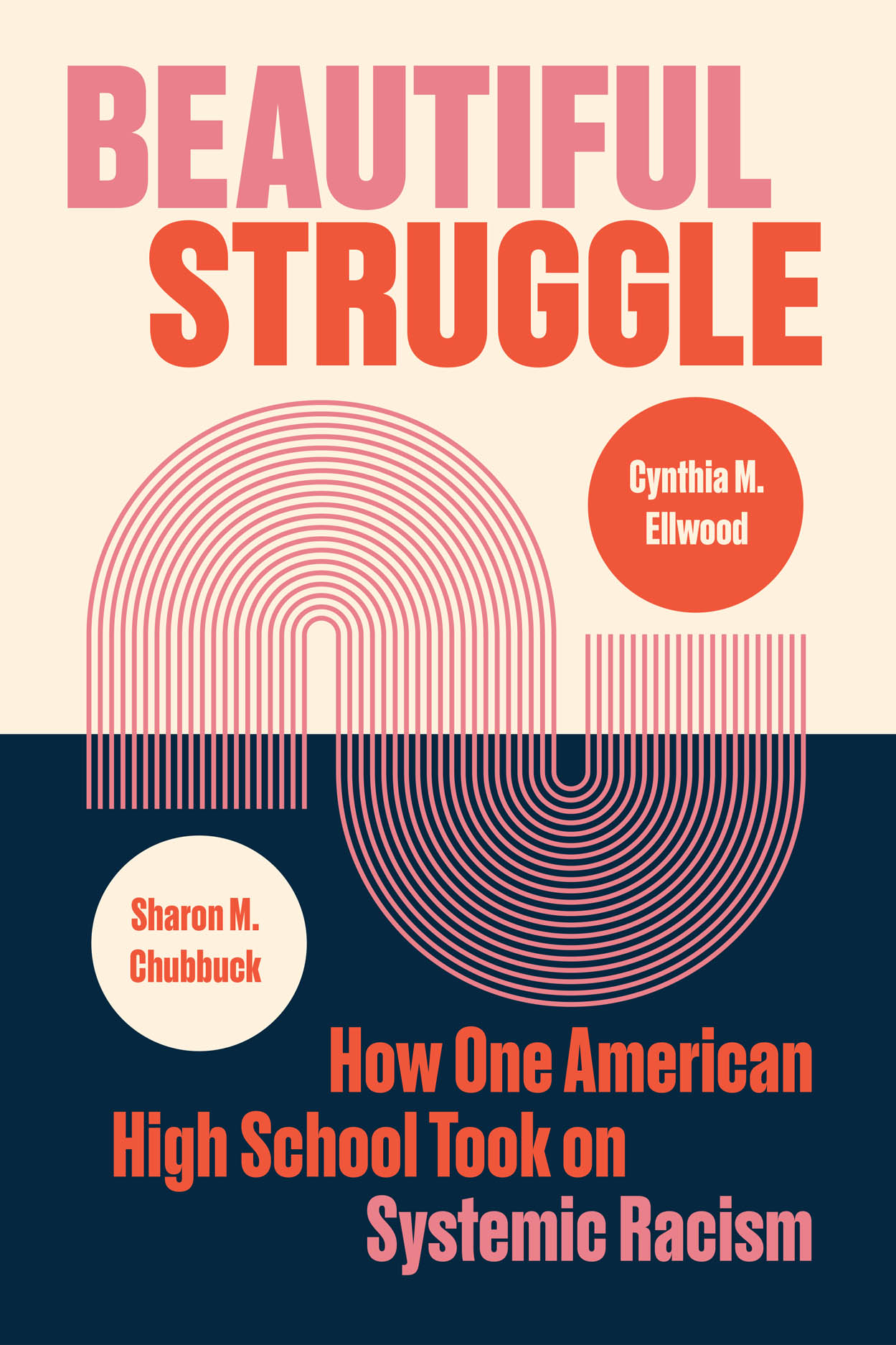
Beautiful Struggle
How One American High School Took on Systemic Racism
Beautiful Struggle
How One American High School Took on Systemic Racism
An in-depth look at how one high school addressed racial inequality head-on.
The new superintendent stood before the faculty of “Oakmont High,” a large, diverse public school, and spoke a cold truth about American education. He described seeing the vibrant mix of students in the school’s hallways disperse into racially segregated classrooms when the bell rang. The fact was that students were sorted into tracks—supposedly race-neutral, “ability-based” pathways—that led to sharply unequal experiences and opportunities throughout high school and often their whole lives. “Why is it fair for white kids to have a better education than Black kids?” the superintendent asked his faculty. “It’s racism pure and simple, and it’s going to stop!”
Racial inequality persists because racism is systemic, baked into countless interlacing beliefs, practices, and structures that make up the way we do school. Tracking is one of many such practices. In Beautiful Struggle, Sharon M. Chubbuck and Cynthia M. Ellwood examine eleven years of transformation by administrators, teachers, students, and others as they tackled systemic racism head-on, starting with tracking. The people of OHS encountered intense resistance and made extraordinary inroads. They fought inequality with hard conversations and concrete steps. They dramatically increased Black and brown students’ access to rich, rigorous learning from the moment students entered as freshmen. They questioned and restructured the interconnected web of policy and practices in every aspect of the school. Students themselves propelled major changes in academic opportunity and the very culture of the school.
Chubbuck and Ellwood argue that taking on racial inequality requires an unrelenting focus on racial justice, challenging systems on every front, broad collective leadership across race and role, and the will to navigate difference and conflict. The story within Beautiful Struggle offers a hopeful though sobering path forward.
360 pages | 2 tables | 6 x 9 | © 2026
Education: Curriculum and Methodology, Pre-School, Elementary and Secondary Education
Reviews

Table of Contents
Preface
1. “It’s Racism Pure and Simple, and It’s Going to Stop!”: The Story Begins
2. Understanding Systemic Racism
3. “A Conversation About Racism Was Needed”: Critical Foundations
4. “It Is a Black-White Issue!”: The Battle Over Freshman Restructuring
5. “New Voices Showed Up—Powerful Voices”: How Leadership Worked
6. “Tough and Good and Thorny”: Detracking Through Teachers’ Eyes
7. “It’s Churning Up, Retilling the Land”: Transforming Institutional Culture a
8. “I Live in This Black Skin Every Day”: Race Relations in Leadership
9. “Everything We Do”: Conclusion
Epilogue
Acknowledgments
Methodology Appendix
Notes
Bibliography
Index
Author Events
Sharon M. Chubbuck and Cynthia M. Ellwood will discuss The Beautiful Struggle at Boswell Book Company
Sharon M. Chubbuck and Cynthia M. Ellwood will discuss The Beautiful Struggle at Boswell Book Company. For more information, visit the store's site.
Boswell Book Company
2550 Downer Avenue
Milwaukee, Wisconsin