Distributed for University of Wales Press
Introducing the Medieval Bear
Explores the unique appreciation and conception of bears in medieval culture.
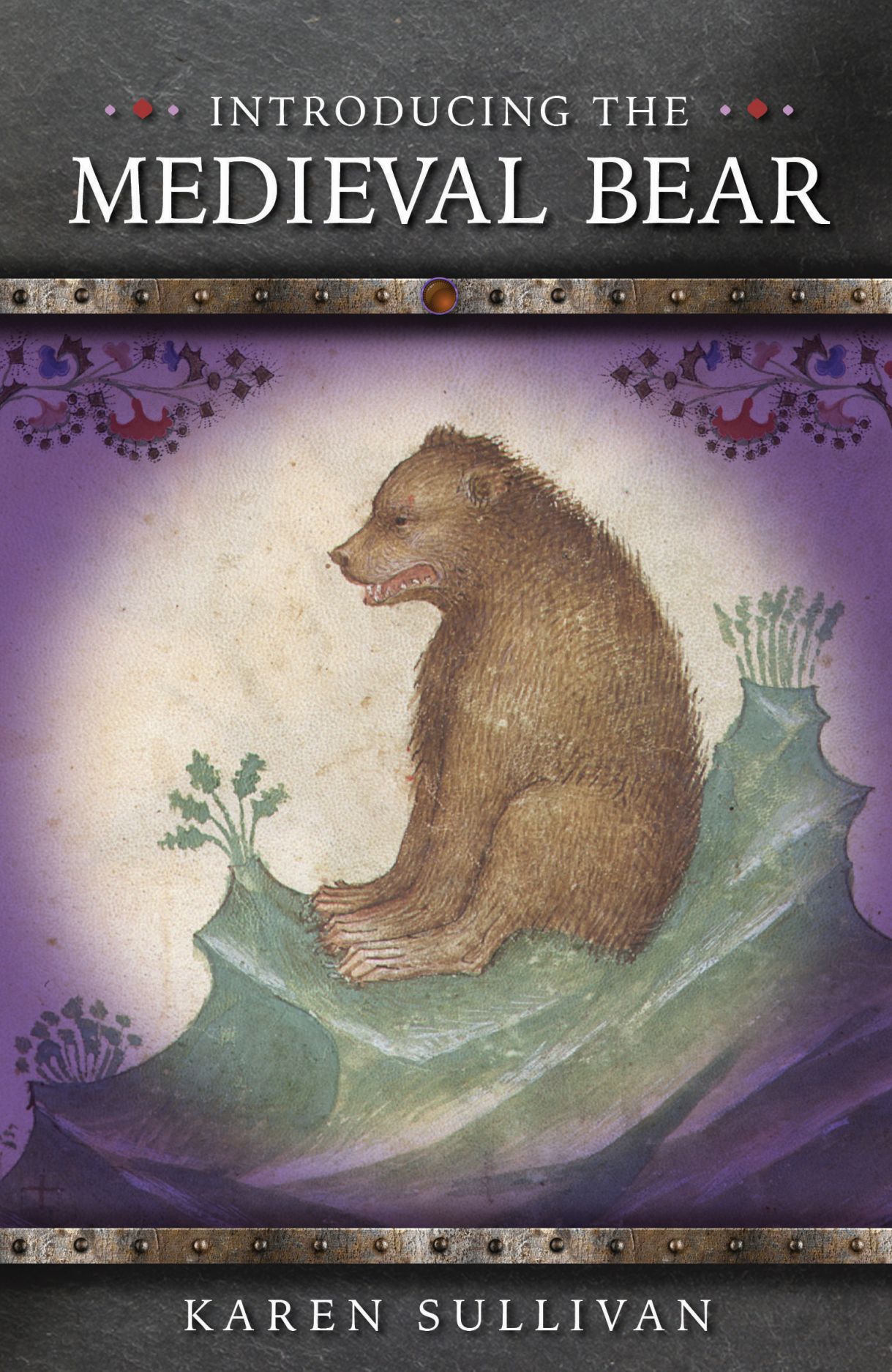
For medieval people, bears were not objects of eliminationist predation, as they often became in later years, or environmentalist pity, as they are today. Instead, they were subjects like human beings, whom they were thought to resemble to an uncanny degree. A human being might become a bear, and a bear might become a human being. A bear might mate with a woman and have children with her, even founding the royal dynasties of Denmark, Norway, and England. Given their great strength and courage, bears were believed to be eager participants in bearbaiting contests. Introducing the Medieval Bear examines how medieval people represented bears across virtually every written source from the time, including Old Norse sagas, French romances, Latin saints’ lives, German comic tales, and chronicles and hunting manuals from multiple languages. In doing so, this study asks us to imagine—as medieval sources ask us to imagine—the bear as someone of equal dignity to ourselves.
For medieval people, bears were not objects of eliminationist predation, as they often became in later years, or environmentalist pity, as they are today. Instead, they were subjects like human beings, whom they were thought to resemble to an uncanny degree. A human being might become a bear, and a bear might become a human being. A bear might mate with a woman and have children with her, even founding the royal dynasties of Denmark, Norway, and England. Given their great strength and courage, bears were believed to be eager participants in bearbaiting contests. Introducing the Medieval Bear examines how medieval people represented bears across virtually every written source from the time, including Old Norse sagas, French romances, Latin saints’ lives, German comic tales, and chronicles and hunting manuals from multiple languages. In doing so, this study asks us to imagine—as medieval sources ask us to imagine—the bear as someone of equal dignity to ourselves.
144 pages | 5.08 x 7.8 | © 2026
Literature and Literary Criticism: General Criticism and Critical Theory

